Upscale Rehabs in Los Angeles That Accept Insurance: How to Compare Programs Before You Choose
If you are searching for upscale rehabs in Los Angeles that accept insurance, you are likely weighing two priorities at once: a high-quality, comfortable environment for drug and alcohol rehab—and a clear-eyed view of cost under your plan. The good news: the luxury rehab Los Angeles insurance landscape has more in-network and out-of-network options than most people expect. The challenge: marketing language and amenity photos can blur the clinical differences that actually drive outcomes and coverage. This guide gives you a side-by-side comparison framework for high-end rehabs in Los Angeles that accept insurance, so you can shortlist programs with confidence.
Disclaimer: This article is general information, not medical, legal, or insurance advice. Coverage depends on your plan, policy year, and medical necessity determinations. Always confirm benefits with your insurer and chosen facility before admission.
What “Upscale Rehab in Los Angeles” Actually Means
“Upscale,” “luxury,” and “executive” are marketing terms—not clinical categories. In practice, upscale rehab centers in Los Angeles typically combine three things:
- Lower client-to-staff ratios and smaller census, which can mean more individualized therapy time.
- Enhanced environment: private or semi-private rooms, chef-prepared meals, holistic therapies, and access to outdoor or wellness amenities.
- Clinical breadth: medical detox, residential/inpatient, PHP, and often dual diagnosis capabilities for co-occurring mental health conditions.
Insurance reimburses covered services (assessment, therapy, medical care)—not "luxury" itself. So the question becomes: do these upscale rehabs in LA deliver medically necessary care that your plan will cover, in a setting that supports your recovery? For a deeper look at PPO dynamics, our companion post Does PPO insurance cover luxury rehab in Los Angeles? breaks down benefits and pre-authorization.

Why Compare Programs at All? (Outcomes, Not Optics)
Two luxury addiction treatment centers in Los Angeles can have similar pools and architecture but very different clinical staffing, medical oversight, and aftercare planning. The Substance Abuse and Mental Health Services Administration emphasizes evidence-based care across levels: see SAMHSA's overview of treatment and the federal mental health and substance use parity rules summarized by the U.S. Department of Labor.
If you only compare amenities, you optimize for the wrong variable. If you only compare price, you may miss the program with better fit, ratios, and continuum of care. A simple comparison framework keeps both in view.
The Side-by-Side Comparison Framework
Use these eight categories when you compare upscale rehabs in Los Angeles that accept insurance. Score each program 1–5 (or "yes/no/needs-info"), then weight the categories that matter most for your situation.
1. Accreditation and Licensing
- Joint Commission ("Gold Seal") and/or CARF accreditation
- California DHCS licensure (see California DHCS for facility types and consumer protections)
- State-issued license number visible on the website or available on request
These are the floor—not the ceiling—of credibility. They signal that the program has been independently reviewed against published standards.
2. Clinical Staffing and Dual Diagnosis
- Ratios (clinicians, nurses, techs per client) and credentials (LCSW, LMFT, PsyD, MD, addiction-medicine specialists)
- Psychiatric coverage for medication management
- Dual diagnosis capability for co-occurring anxiety, depression, trauma, or bipolar conditions
- Medical detox on-site or coordinated with a partnering medical facility
For programs that emphasize trauma or psychiatric complexity, ask about specific therapies offered (e.g., CBT, DBT, EMDR, family therapy) and how treatment plans are individualized.
3. Level of Care and Continuum
- Detox, residential/inpatient, PHP, IOP, outpatient, and aftercare/alumni
- Step-down planning from the start, not at the end
- Whether the same program can manage multiple levels without re-traumatizing transitions
For a quick refresher on outpatient comparisons, see our guide on PHP vs IOP.
4. Insurance and Network Status
- In-network with your specific plan (e.g., Cigna PPO, Anthem PPO, Aetna PPO)
- Out-of-network PPO benefits, single-case agreements (SCA) when applicable
- Pre-authorization workflow handled by the program (utilization review)
Always run a verification of benefits (VOB)—and our walkthrough on how to verify insurance for rehab in Los Angeles shows what to ask and what each answer means.
5. Total Cost (Not Just Sticker Price)
- Annual deductible, coinsurance, and out-of-pocket maximum progress
- Patient responsibility estimate after VOB
- Self-pay components (concierge add-ons, certain holistic services)
- Day limits or lifetime caps, if any
The "in-network luxury" program can sometimes cost less out of pocket than a "standard" out-of-network alternative—run the numbers, not the brochure.

6. Environment and Amenities
- Private vs semi-private rooms
- Holistic therapies: yoga, mindfulness, acupuncture, massage, art therapy
- Nutrition (chef-prepared meals, dietary accommodations)
- Outdoor/recreation access
- Discretion (privacy, low census, professional clientele if relevant)
Helpful—but never a substitute for ratios, credentials, and the right clinical fit.
7. Aftercare and Long-Term Outcomes
- Discharge planning and warm hand-off to outpatient/aftercare
- Family program and educational resources
- Alumni community and step-down resources
- Outcome reporting transparency (where available)
The first 90 days post-discharge often determine the trajectory of recovery; aftercare quality is not optional.
8. Communication and Transparency
- Clear, plain-English good-faith estimate after VOB
- Written confirmation of any single-case agreement
- Named admissions liaison and clinical lead
- Clear appeals path if pre-authorization is denied
If you cannot get straight answers in the comparison phase, you will not get them after admission either.
A Simple Comparison Worksheet
Use a one-page worksheet for each program. For each row, capture what the program told you and what your insurer confirmed. Discrepancies are normal—reconcile them before admission.
| Category | What I'm comparing | Program A | Program B | Program C |
|---|---|---|---|---|
| Accreditation | Joint Commission / CARF / DHCS | |||
| Clinical | Ratios, dual diagnosis, MD coverage | |||
| Levels of care | Detox → IOP/aftercare | |||
| Network | In-network or OON; SCA possible | |||
| Cost | Deductible, coinsurance, OOPM, estimate | |||
| Environment | Private rooms, amenities, holistic services | |||
| Aftercare | Discharge planning, alumni, family program | |||
| Communication | Named contacts, written estimates |
A weekend with this worksheet often surfaces the two best fits—and removes programs whose answers feel marketing-first rather than clinical-first.
In-Network vs Out-of-Network at Upscale LA Rehabs
Many people assume upscale = out-of-network. That used to be largely true; today, more luxury rehab Los Angeles insurance programs hold contracts with major PPO carriers for detox and residential care.
- In-network: lowest out-of-pocket exposure for covered services; often a smoother prior-authorization pathway.
- Out-of-network (OON): still common; many PPO plans pay a percentage of allowed charges after deductible. Cost share is typically higher.
- Single-case agreements: a one-time arrangement when a member needs an OON facility for medical-necessity reasons; not guaranteed and timing-sensitive.
If you have a PPO and want a wider net of programs, our PPO guide for out-of-state rehab in LA walks through the approval steps that often map to OON luxury admissions.
How Insurance Verification Changes Your Shortlist
Once your VOB comes back, your shortlist often shrinks for the better. You'll see:
- Which programs are in-network with your plan (versus their general claims).
- A clearer estimate of deductible progress and coinsurance for residential/inpatient SUD treatment.
- Whether prior authorization is needed and what documentation is required.
If you have not yet started VOB, our how to verify insurance for rehab in LA walkthrough is the fastest path to clarity.
For background on whether plans cover rehab at all, see Does insurance really cover rehab?. For the broader pillar comparison, our finding the best luxury rehab in Los Angeles with insurance coverage ties the threads together.
Red Flags to Watch For
- "Guaranteed coverage" language—no responsible facility can promise plan-level outcomes.
- No clinical staff bios, no medical director, or no published credentials.
- One level of care with no plan for step-down or aftercare.
- Pressure tactics ("we have one bed left, decide today") that bypass VOB or assessment.
- Refusal to put estimates or single-case agreements in writing.
- Marketing-only websites with no accreditation, license number, or address.
If two of these appear in one program, it usually saves time to remove it from the shortlist.
Where LA Wellness Haven Fits
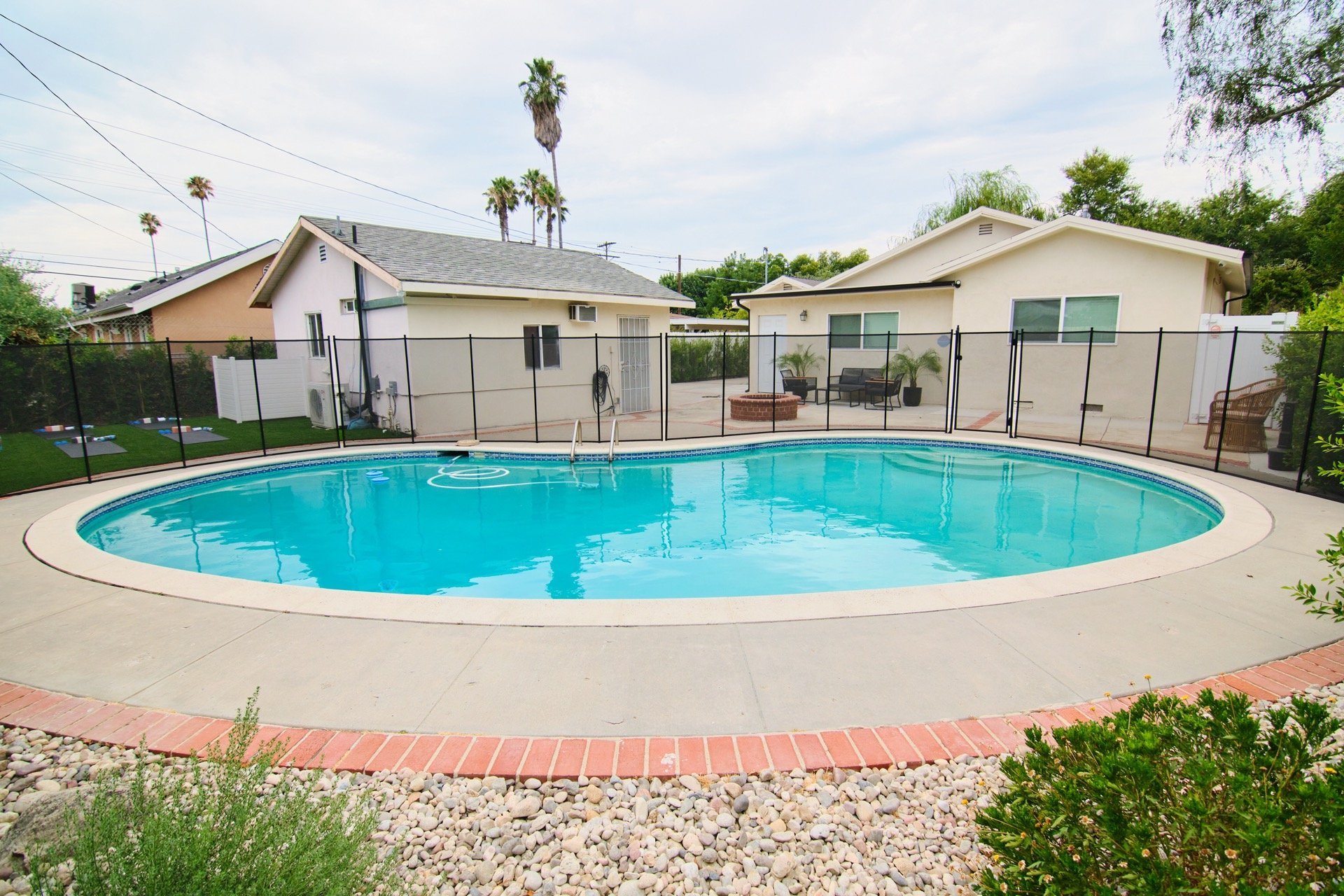
LA Wellness Haven combines evidence-based clinical care—including medical detox, residential treatment, and dual diagnosis support—with a calm, supportive environment designed for focused recovery. We work with major PPO networks and can help with insurance verification through admissions. Our residential treatment and detox programs pages explain levels of care in detail; our broader treatment programs overview covers the continuum and aftercare.
If you are comparing upscale rehabs in Los Angeles that accept insurance, we welcome an honest, clinical-first conversation. Contact us and we will help you understand what your plan likely covers and whether our program is the right fit—not the loudest brochure, the right next step.
FAQ: Comparing Upscale Rehabs in LA That Accept Insurance
Are all upscale rehabs in Los Angeles "luxury"?
No. "Upscale" is a comfort and amenity descriptor; "luxury" is a marketing term. The clinical floor is set by accreditation and licensing—and those should be confirmable on the program's website or via the issuing body.
Should I choose by amenities or by clinical fit?
By clinical fit first. Pick the two best clinical matches that your plan will cover, then choose the one whose environment supports your recovery (privacy, ratios, holistic services, location).
How do I read a "good-faith estimate" from a luxury program?
Look for separation of clinical services, room and board, and any non-covered amenities. The estimate should reflect your specific plan's deductible progress, coinsurance, and OOPM—not a generic average.
What if my plan is a smaller insurer or self-funded employer plan?
Same rules apply: ask for behavioral health benefits, prior authorization workflow, and whether the program has experience billing your specific plan. Self-funded plans often follow the administrator's rules (e.g., a Cigna ASO contract) but may have unique day limits or carve-outs.
Next Steps
Comparing upscale rehabs in Los Angeles that accept insurance is mostly about asking clear questions and getting clear answers. With accreditation, clinical fit, insurance verification, and transparent costs in view, the decision becomes far less stressful—and usually clearer than expected.
If you'd like help comparing options, contact LA Wellness Haven or speak with admissions. We're glad to walk through your benefits and program fit in plain English—no pressure, no inflated promises.
Photos: Featured and in-article images sourced from Unsplash under the Unsplash License.